Pre-Raphaelitism in Painting: The Movement That Defied Convention
In 1848, three young men in London decided Raphael was already too late. John Everett Millais, Dante Gabriel Rossetti, and William Holman Hunt founded the Pre-Raphaelite Brotherhood to trade Academic elegance for sharp detail, bright colour, and subjects that meant something. The name sounded backward. The shock was modern.
Date: Founded 1848 (England)
Medium: Painting movement / Brotherhood
Notable fact: Core founders: Millais, Rossetti, Holman Hunt; defended by John Ruskin; later echoes in Arts and Crafts and Burne-Jones
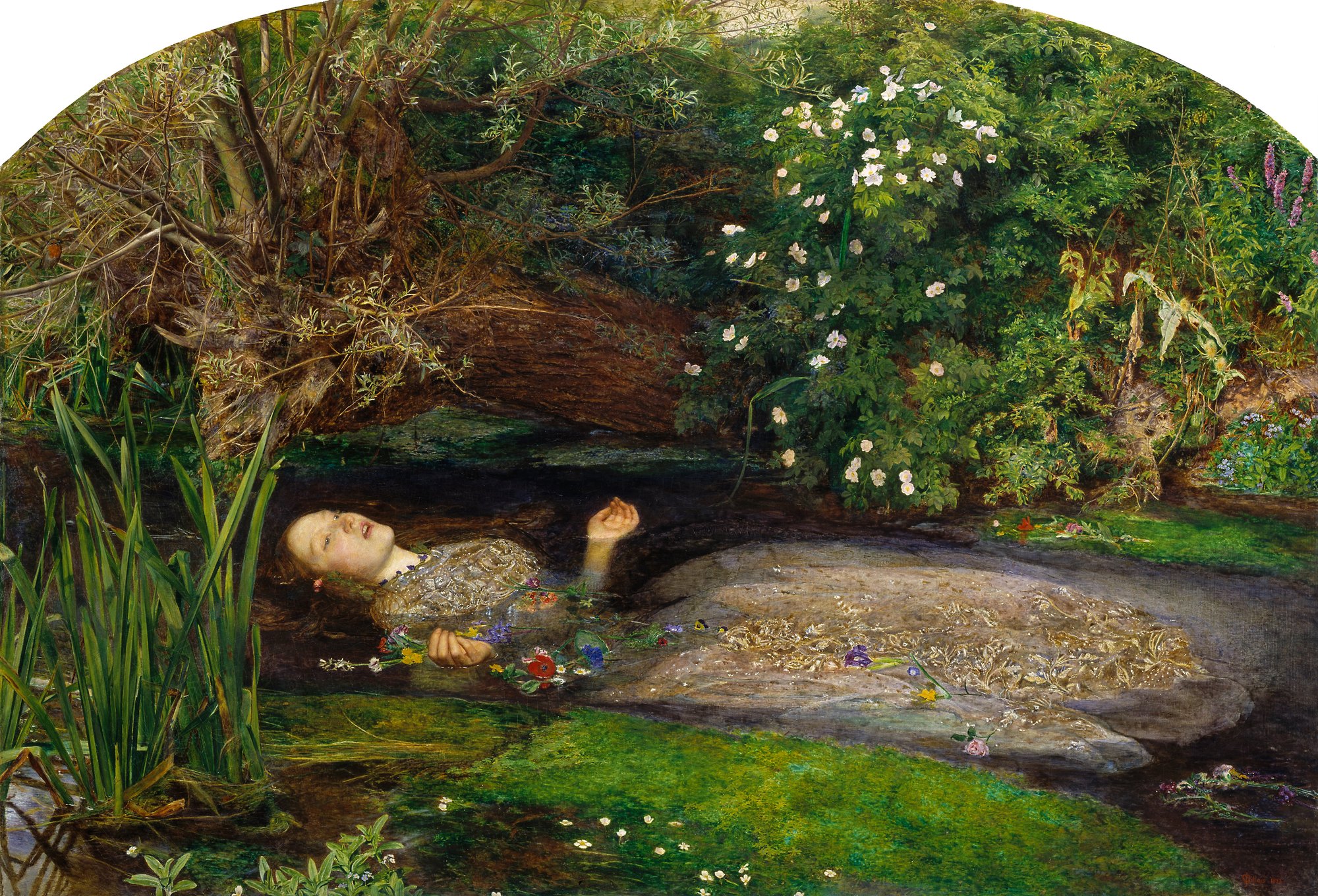
Against the Soft Machine
Victorian academic taste, associated with Joshua Reynolds' heirs, favoured graceful compositions that the Brotherhood called empty. They wanted the sincerity they saw in early Italian and Flemish painting - before High Renaissance polish - plus medieval seriousness and Romantic vision (Blake, Fuseli) welded to poetry.
Four Working Rules
Express genuine ideas; study nature to say them; keep from the past only what is direct and earnest; aim at technical excellence. In practice that meant optical attention to weeds and water equal to the hero's face - a democratised picture surface that scandalised hierarchy.
Scandal and Defence
Millais's Christ in the House of His Parents was attacked as blasphemous realism. Ruskin praised their truth to nature. Controversy made them famous; the Brotherhood as a tight club dissolved within years, but the look - luminous colour, literary subject, obsessive detail - kept travelling.
Afterlife
Rossetti's medieval dream fed Burne-Jones; Morris carried the ethic into Arts and Crafts. Pre-Raphaelitism remains a lesson in refusing fashionable emptiness. Detail was never decoration alone. It was a moral claim about seeing.
Watch the video essay on @SapiensVerbum on YouTube.


Comments
Post a Comment