The Quinta del Sordo: Goya’s Black Paintings
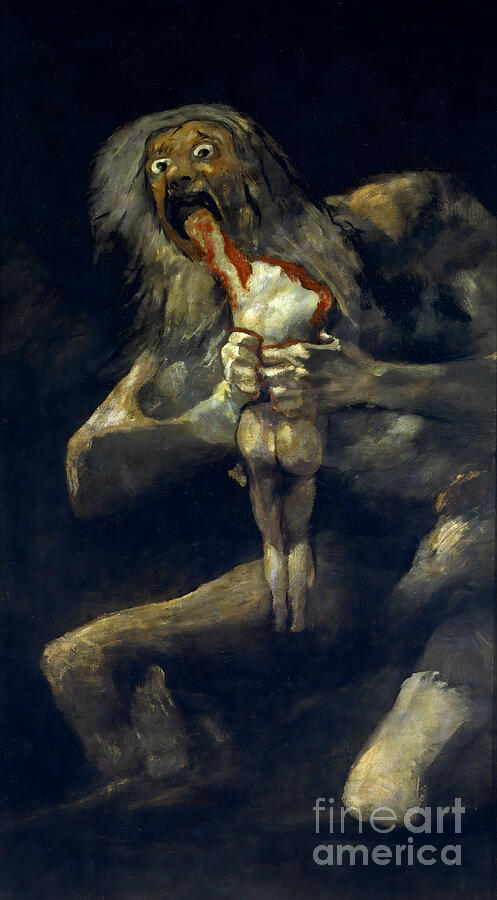
Francisco de Goya had painted for kings. Then he bought a house outside Madrid, went deaf to the court, and covered the walls with images he never meant for a salon. The Quinta del Sordo — the House of the Deaf Man — is where the Black Paintings begin: Saturn in the dining room, a witches’ sabbath in the gloom, and a painter who stopped decorating power and started painting what power left behind.
Artist: Francisco de Goya (1746–1828)
Theme: The Quinta del Sordo and the Black Paintings
Key works in this guide: Saturn Devouring His Son (c. 1820–23); Witches’ Sabbath / related witch scenes; earlier Witches’ Flight (1798)
Collection today: Museo del Prado, Madrid (transferred from the house walls)
Notable fact: Painted in oil directly on the plaster of his own home, then later transferred to canvas
The Court Painter Who Chose Silence
By the time Goya moved to the Quinta, he had already survived illness, war, and the collapse of the world that made him famous. Deafness cut him off from easy conversation; the house cut him off from the need to please. The Black Paintings are not a royal commission. They are private walls: horror, superstition, and appetite painted where only household eyes were meant to see them. That privacy is why they still feel like a diary written in oil.
Saturn in the Dining Room
Of all the Quinta images, Saturn Devouring His Son is the one people cannot unsee: a giant body, a staring face, a child already half gone. Myth supplies the name; the painting supplies the panic. Goya turns Cronus into something closer to civil war and hunger than to a neat allegory. Full essay: Saturn Devouring His Son by Goya. Print: shop Saturn.
Witches, Sabbath, and the Loss of Reason
Beside the mythic violence sits another Goya habit: witchcraft as a picture of reason failing. The Quinta’s sabbath scenes belong to that night language — circles of belief, goats, and bodies that no longer trust daylight. Earlier, in 1798, Witches’ Flight already showed men hauled into the air by something that looks like faith and fear at once. Full essay: Witches’ Flight by Goya. Print: shop Witches’ Flight. Sabbath print: shop Witches’ Sabbath.
From the Wall to the Prado
After Goya’s death the house changed hands; the murals were eventually lifted from the plaster and taken to the Prado, where they hang as “paintings” though they began as architecture. That transfer is part of the story: private nightmare became public masterpiece. Spain’s disasters and one man’s solitude share the same rooms now, under museum light.
How to Read the Quinta as One Story
Start with the house, not the myth title. Ask what it means to paint Saturn where you eat, and a sabbath where you sleep. Then watch the Commented Paintings video below, open the Saturn and Witches essays for close looking, and browse the Goya print collection for the wider set — Caprichos, Third of May, Colossus, and the Black Painting icons.
Own These Paintings
Browse Goya prints — Saturn, witches, Caprichos, and more — in one collection.
For the myths, museum facts, and the stories people repeat without checking, see also the Sapiens Verbum art-history books on Amazon.
Watch on @SapiensVerbum: The Quinta del Sordo: Goya’s Final, Silent Masterpiece — from the court painter’s silence to Saturn, the sabbath, and the Prado.


Comments
Post a Comment