The Wave by Bouguereau: Femininity and the Sea (1896)
A pale nude reclines on the shore while a heavy wave piles up behind her, close enough to feel like a second character. Foam, flesh, and horizon share one tense calm. In William-Adolphe Bouguereau's The Wave (La Vague, 1896), academic beauty meets a force that does not care about finish.
Artist: William-Adolphe Bouguereau (1825-1905)
Date: 1896
Medium: Oil on canvas
Notable fact: Late academic nude: polished anatomy set against an approaching breaker
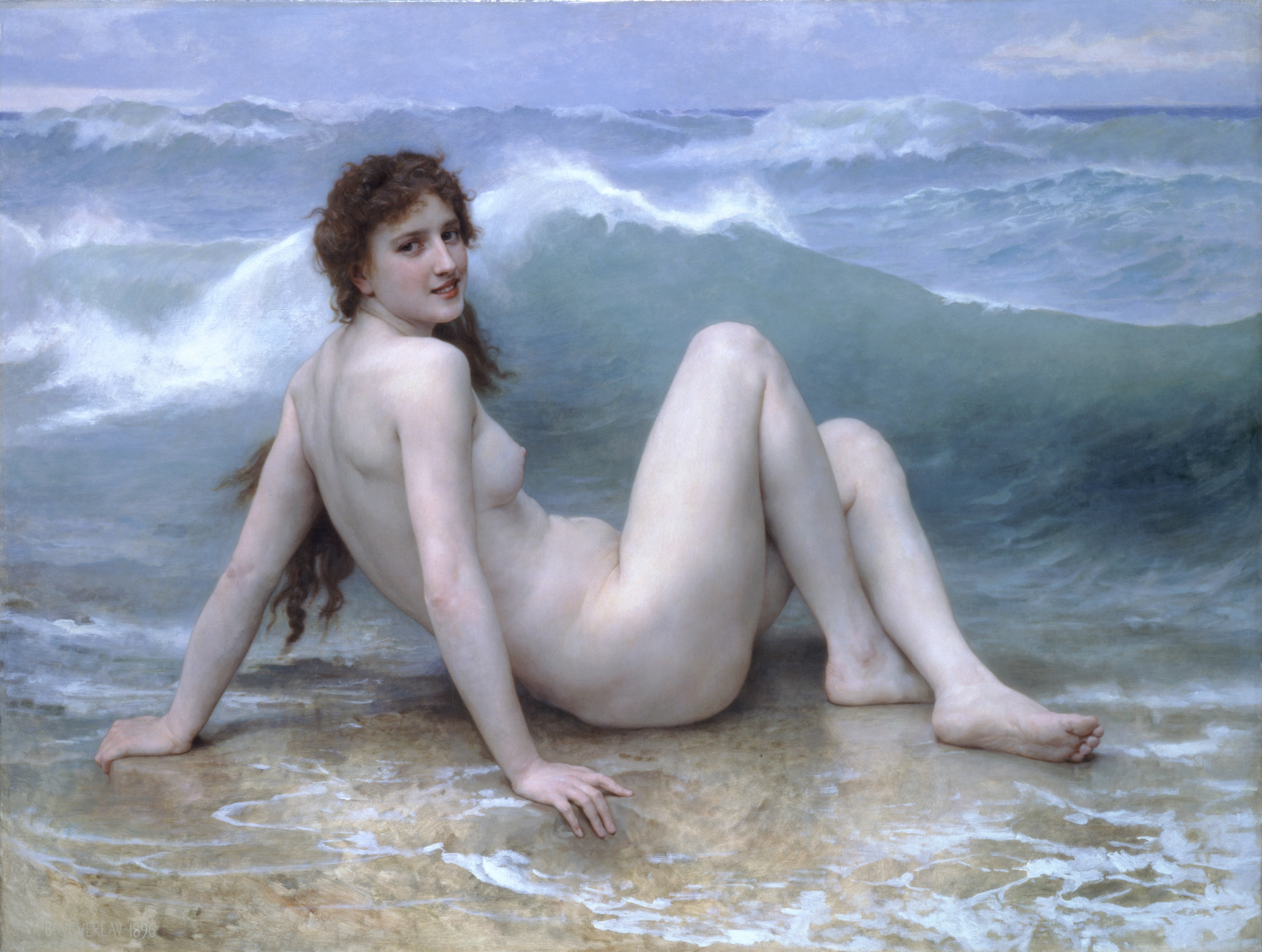
Skin Against Surf
Bouguereau's fame rested on meticulous, lifelike bodies aimed at Salon taste. Here the model's voluptuous form and cooled palette show that polish at full strength. The approaching water complicates the idyll: nature is not a backdrop, it is a countdown.
Vulnerability, or a Deathbed Metaphor?
Readings vary. Some see femininity exposed to indifferent power; others take the quiet pose as a figure near life's end, with the wave as inevitability. Either way the painting stages a duel between perfected human form and something larger that will not negotiate.
Academic Afterglow
By 1896 modern styles were already challenging this kind of surface. The Wave still persuades through craft - and through the unease under the glamour. Look once for the nude. Look again for the water that keeps coming.
Watch the video essay on @SapiensVerbum on YouTube.


Comments
Post a Comment