John Collier: Portraying Human Complexity Through Realistic Art
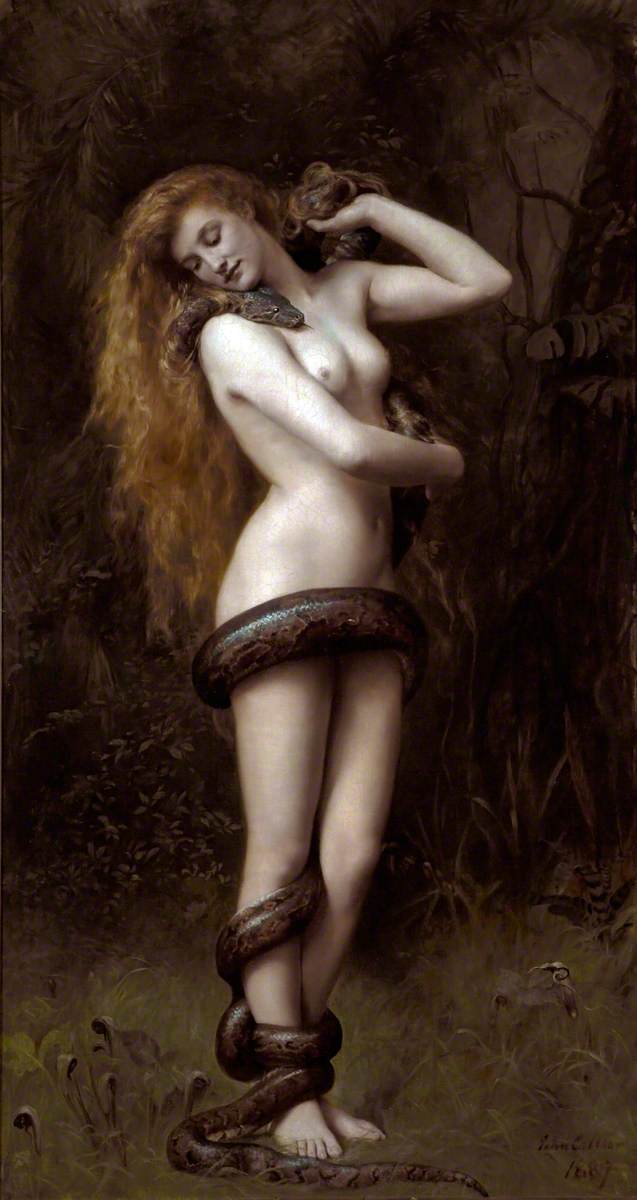
John Collier could paint a society portrait that looked like power at rest - and then turn around and stage a myth that felt like a moral trap. Born in 1850 and trained at the Slade, he became one of late-Victorian and Edwardian Britain's most watchable realists: crisp flesh, careful light, and stories that refuse a single caption.
Artist: The Hon. John Collier (1850-1934)
Date: Active late 19th-early 20th century
Medium: Oil on canvas (portraits, myth, problem pictures)
Notable fact: Known for society portraits and 'problem pictures'; subjects range from Lady Godiva to The Prodigal Daughter and The Sleeping Beauty
Tragedy, Training, and Finish
Collier lost both parents young, then built a career on technical certainty. Slade discipline shows in drawing that never apologizes. He exhibited in London and Paris and won the kind of prizes that confirm a public already looking. The polish is academic; the subjects often are not polite.
Lady Godiva and Public Courage
In Lady Godiva (1898), the legendary ride through Coventry becomes a study in exposed resolve. Light and shadow do the drama: a body offered to the street as protest, not as spectacle alone. Collier's realism makes the legend feel local and costly.
Problem Pictures
The Prodigal Daughter (1903) and other narrative scenes work like unfinished novels. A young woman returns; faces negotiate shame and welcome; color warms the room while the story stays open. Collier excelled at the pause before judgment - the frame that asks the viewer to finish the plot.
Why Collier Still Reads
He bridges portrait flattery and Pre-Raphaelite afterglow without dissolving into either. Look to him for craft that serves unease: beauty that arrives with a question attached.
Watch the video essay on @SapiensVerbum on YouTube.


Comments
Post a Comment